

Trump’s Ratings Strong on Border Security, Weak on Economy
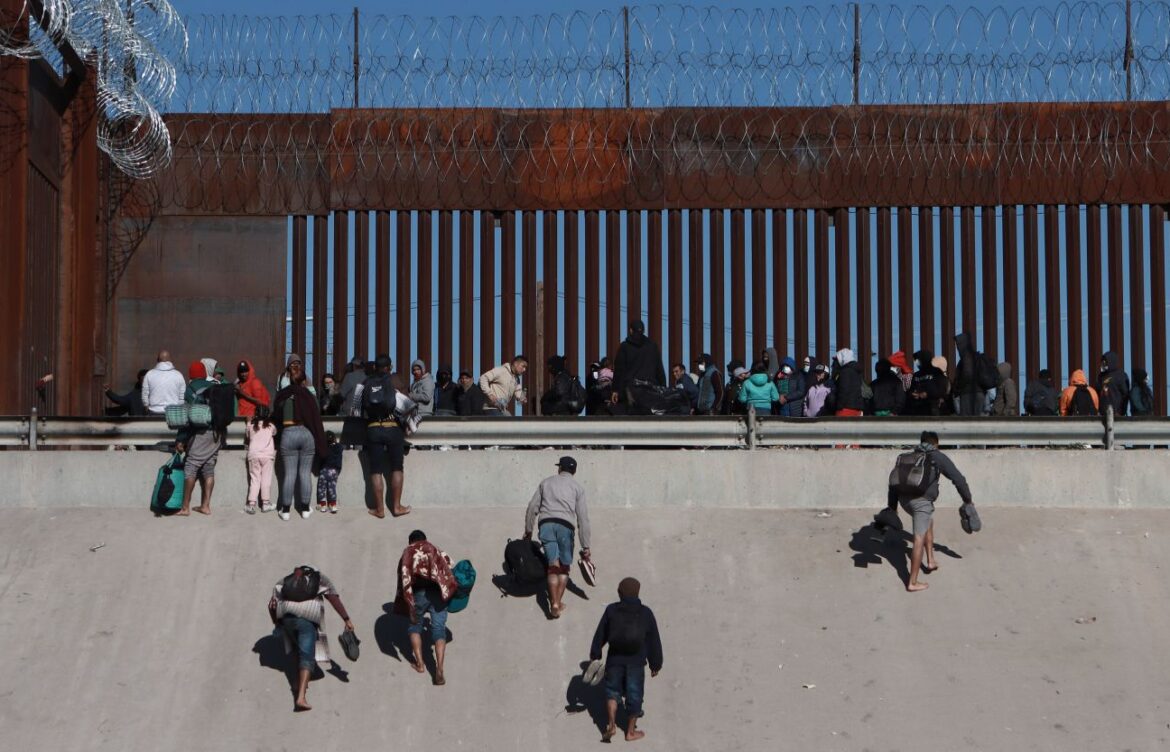
Former President Donald Trump continues to receive strong approval from voters on border security, but his ratings remain noticeably weaker when it comes to the U.S. economy, highlighting a split in public perception that could shape the political landscape ahead.
Recent polling and voter sentiment suggest that while many Americans credit Trump for taking a tough stance on immigration and border enforcement, economic concerns such as inflation, housing costs, and affordability continue to dominate public anxiety.
Border Security Remains a Political Strength
Border enforcement has long been one of Trump’s signature issues, and it remains an area where voters express confidence in his leadership. Supporters point to stricter immigration policies, increased border patrol presence, and a focus on national sovereignty as reasons for his strong ratings.
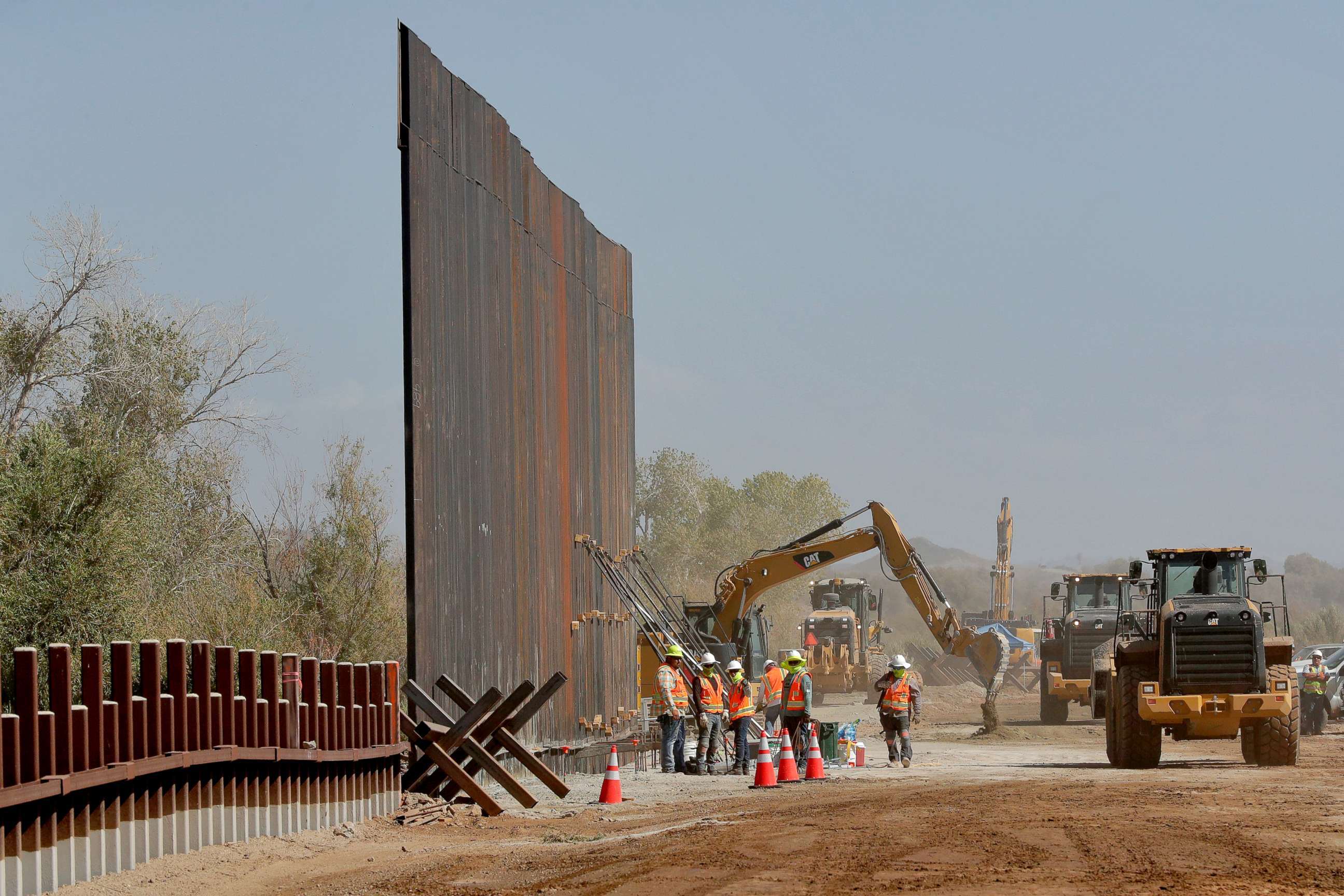

Many voters believe that tougher border controls help protect American jobs, reduce crime, and limit strain on public services. For these voters, Trump’s approach represents decisive leadership on an issue they see as urgent.
Economic Confidence Tells a Different Story
While border security polls well, Trump’s economic ratings tell a more complicated story. Despite claims of economic growth, tax cuts, and business-friendly policies, many voters say they are still feeling financial pressure.
High grocery prices, rising rent, and healthcare costs continue to impact household budgets. Even voters who support Trump’s immigration stance often express uncertainty about whether economic policies are delivering real relief.
The Perception Gap Between Policy and Reality
Political analysts say the gap between border security approval and economic skepticism reflects a broader issue: voters judge the economy based on personal experience, not statistics.
Stock market gains or employment figures may signal improvement, but unless families feel more financially secure, confidence remains fragile. This perception gap continues to weigh on Trump’s economic standing among undecided voters.
Immigration and Economy: A Linked Debate
Supporters argue that strong border enforcement supports economic stability by protecting wages and reducing pressure on housing and social services. Critics, however, say immigration alone cannot explain inflation or broader economic challenges.
The debate over how closely border security and economic performance are connected remains a central political argument.
What This Means Going Forward
As election season approaches, Trump’s campaign faces a strategic challenge: maintaining strength on border security while rebuilding voter confidence on economic issues. Polling suggests that voters who prioritize immigration may already be aligned, but economic concerns could influence swing voters.
The economy remains the top issue for many Americans, meaning improved messaging—or tangible cost-of-living relief—may be critical to shifting public opinion.
Conclusion: Strength on Security, Questions on Spending
Trump’s strong ratings on border security highlight continued voter concern over immigration enforcement. However, weaker economic approval shows that for many Americans, financial stress outweighs political promises.
The contrast underscores a familiar reality in U.S. politics: security can win trust, but affordability wins elections.