

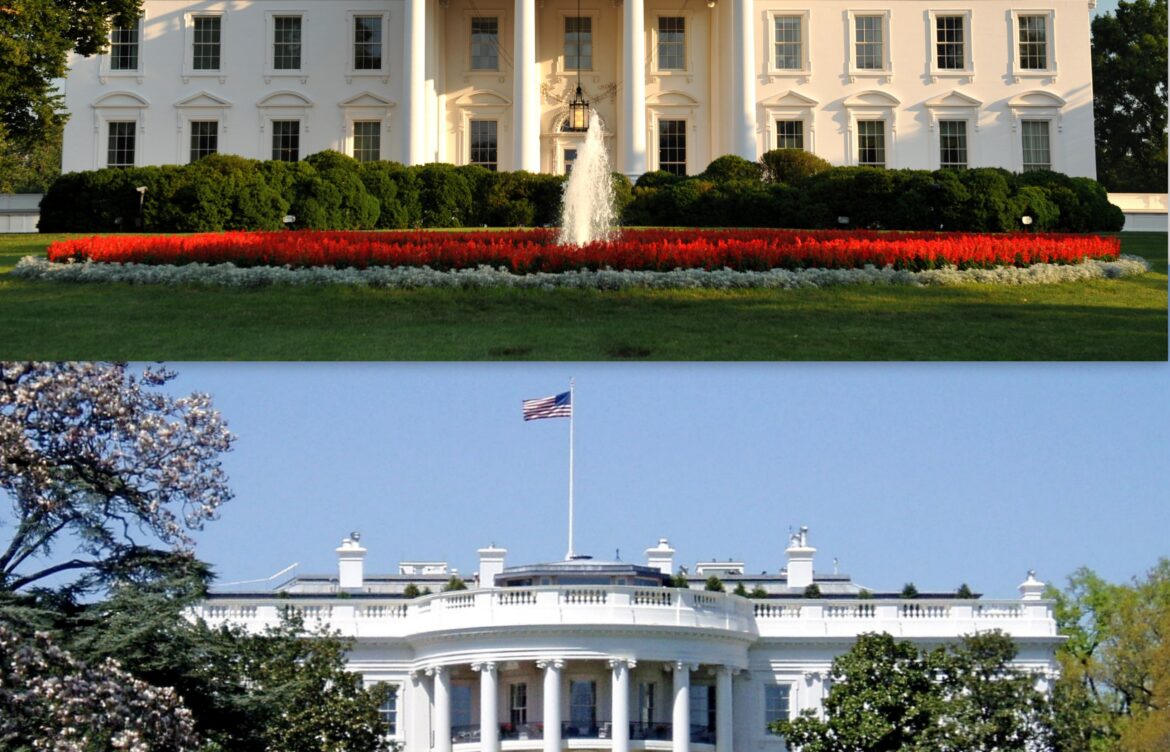
Voters Say White House Is Doing More Harm Than Good on Economy
Public confidence in the U.S. economy is under increasing pressure as a growing number of voters believe the White House is doing more harm than good when it comes to economic management. Rising prices, stubborn inflation, and ongoing concerns about jobs and wages are shaping voter sentiment as economic anxiety remains a top national issue.
Recent voter surveys indicate that while some economic indicators show stability on paper, everyday Americans are struggling with the real cost of living, leading to widespread dissatisfaction with current economic leadership.
Rising Costs Continue to Frustrate Americans
One of the biggest drivers of voter frustration is inflation, especially in essential areas such as food, fuel, housing, and healthcare. Although inflation has slowed compared to previous peaks, prices remain significantly higher than they were just a few years ago.
For many households, wages have not kept pace with rising expenses. As a result, voters feel that economic policies coming from Washington are failing to deliver meaningful relief.
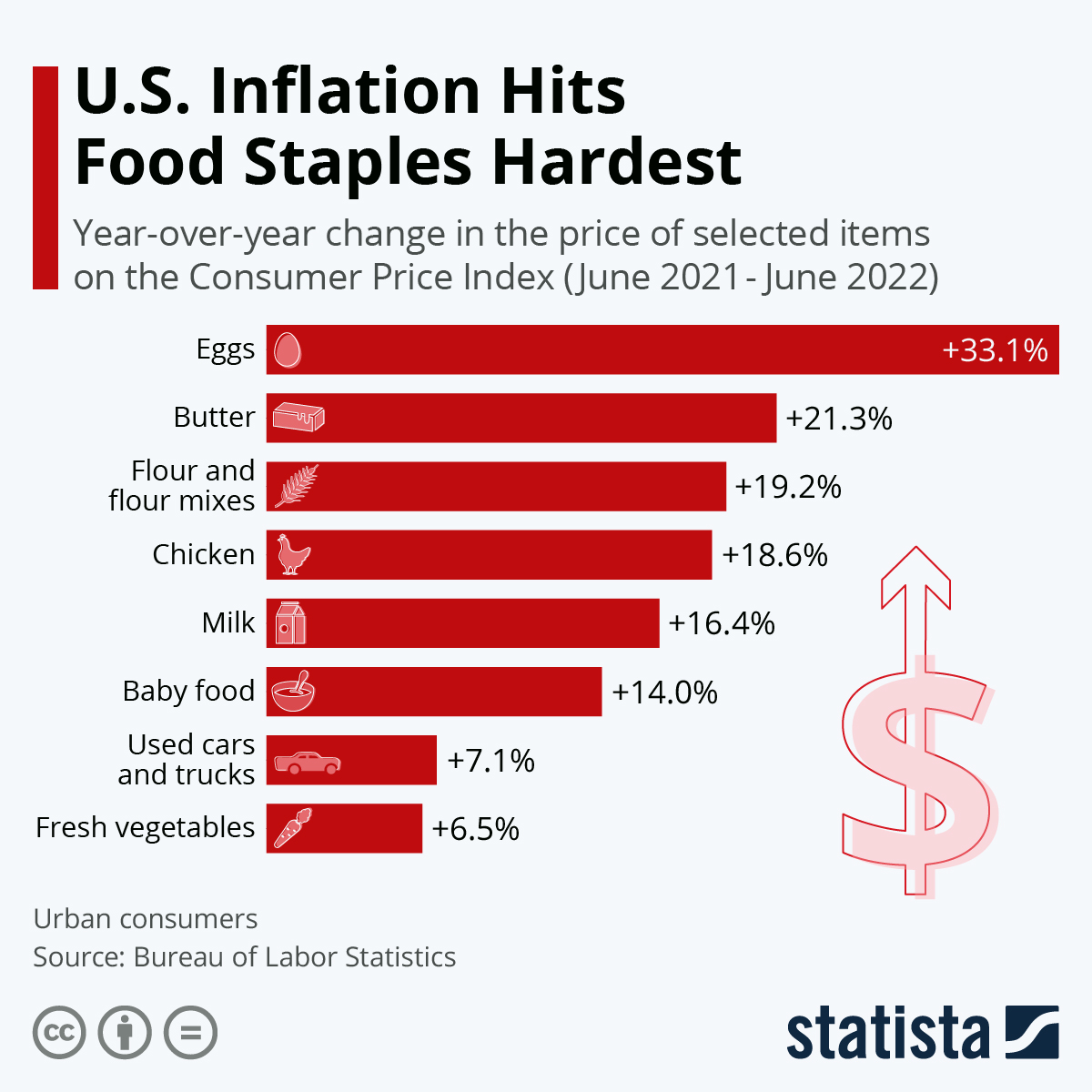
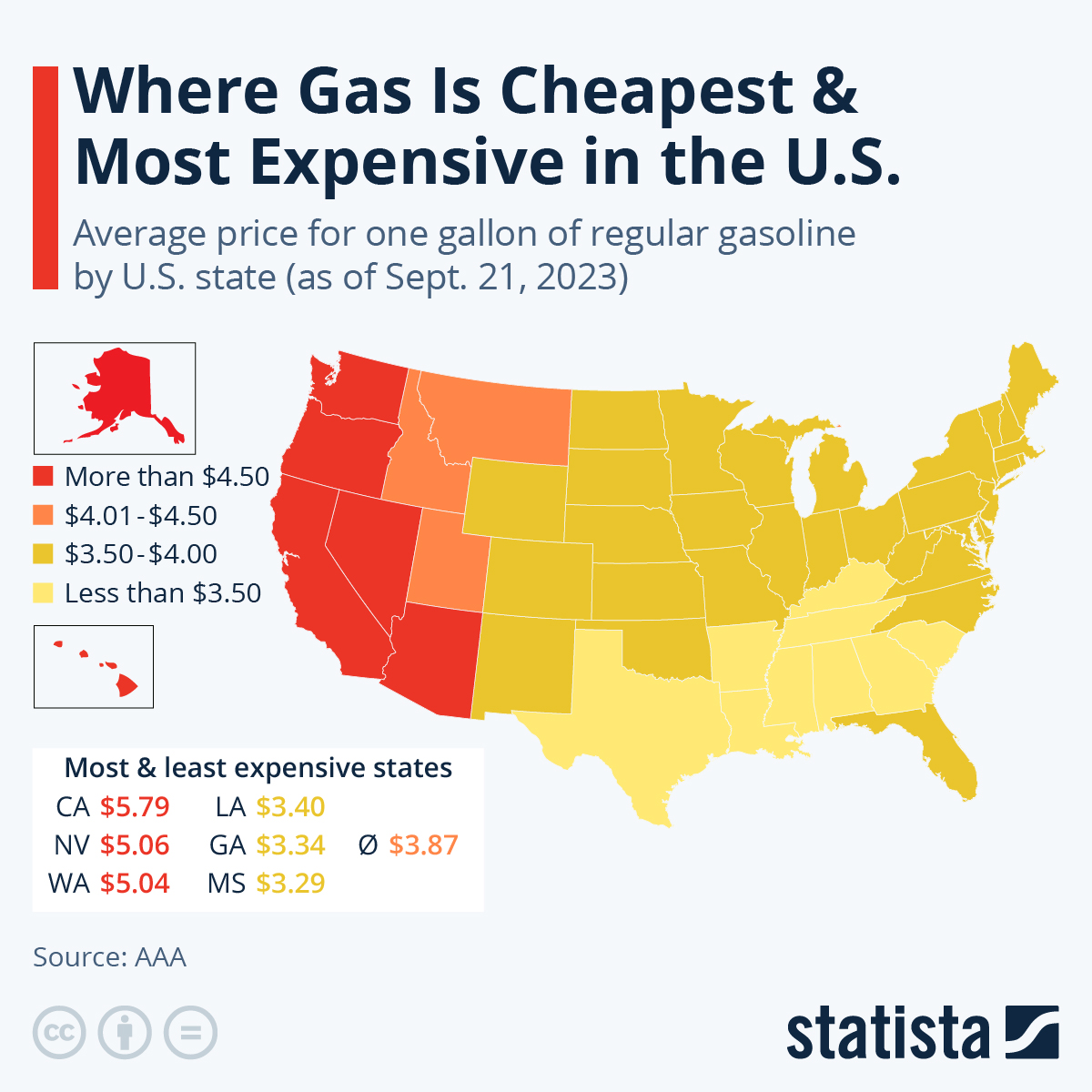

Middle- and lower-income families are particularly affected, with many reporting that they are cutting back on spending, dipping into savings, or taking on additional debt to manage daily expenses.
Voters Question White House Economic Strategy
A key concern among voters is whether current economic policies are addressing the root causes of financial strain. Critics argue that excessive government spending, regulatory burdens, and unclear fiscal direction are contributing to economic instability rather than resolving it.
While the White House often points to job growth and market performance as signs of success, many voters say those gains do not reflect their personal financial reality. This disconnect between official messaging and lived experience has weakened public trust.
Small Businesses and Workers Feel the Pressure
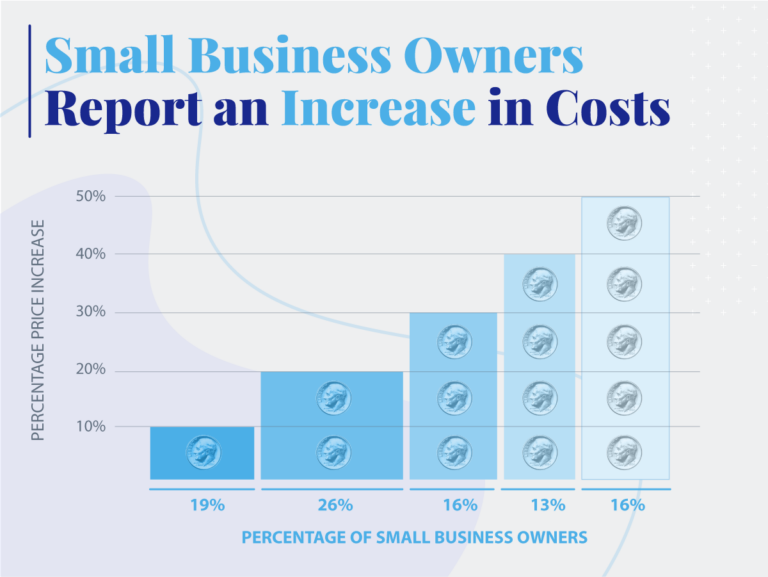
Small business owners are also feeling the impact of economic uncertainty. Higher operating costs, interest rate pressures, and supply chain challenges have made it harder for businesses to expand or hire.
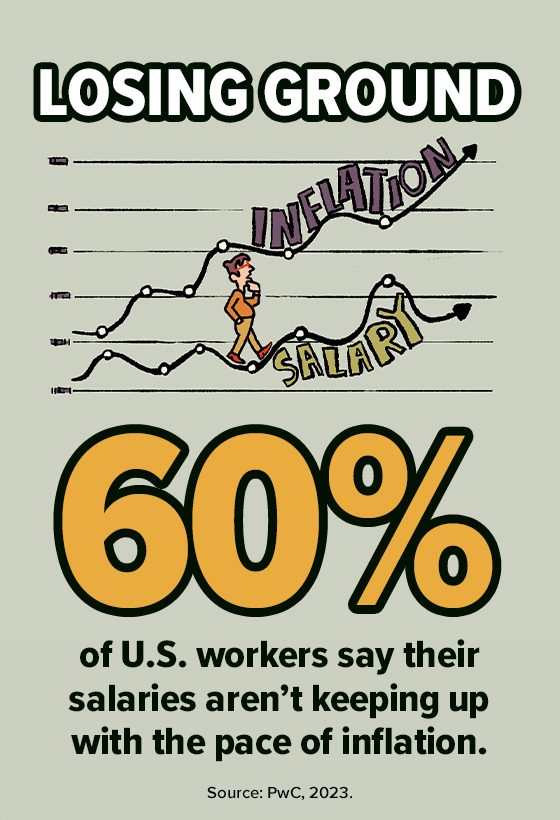
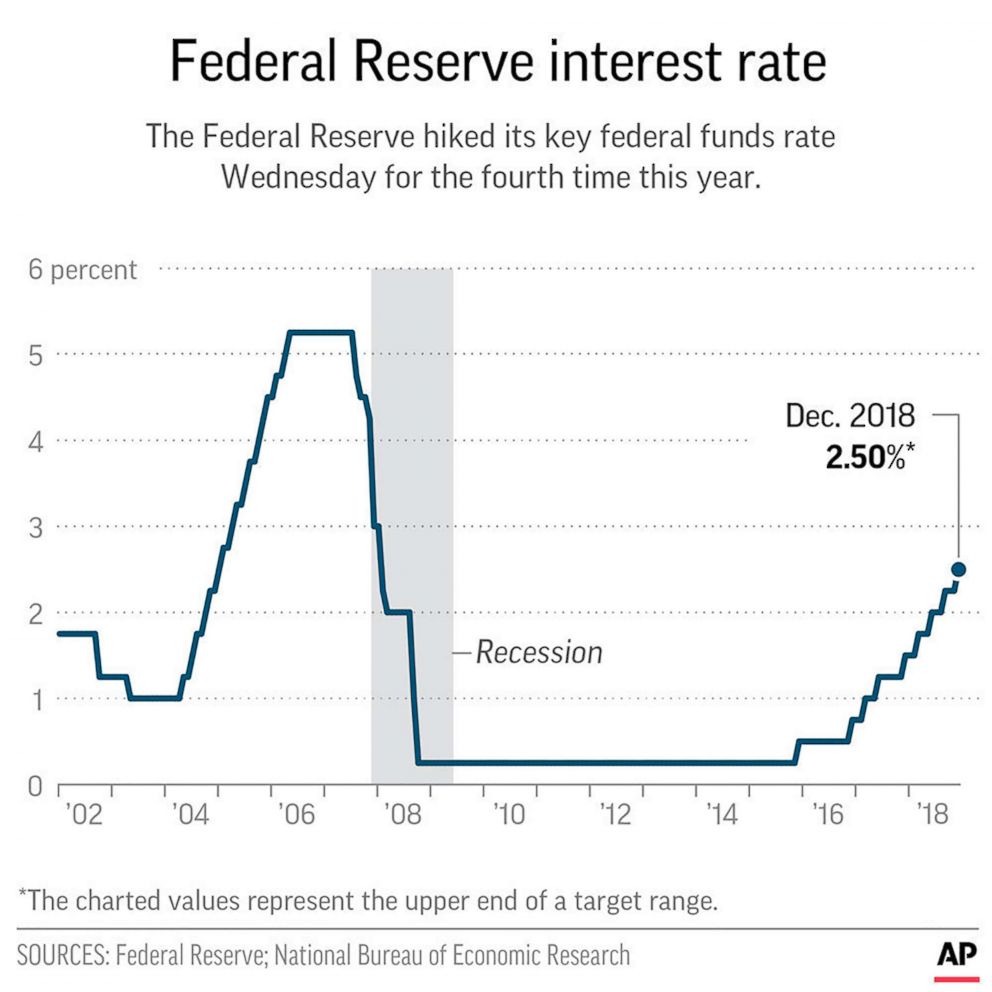
Workers, meanwhile, face increased job insecurity and reduced purchasing power. Even those who remain employed often report that their paychecks no longer stretch as far as they once did.
Economic Concerns Shape Political Outlook
Economic dissatisfaction is increasingly influencing voter behavior ahead of upcoming elections. Historically, the economy has been one of the most powerful factors in shaping political outcomes, and current sentiment suggests it could play a decisive role once again.
Voters who believe the White House is mishandling the economy are more likely to support alternative leadership or policy changes that promise stronger fiscal discipline, lower inflation, and improved affordability.
Conclusion: Trust Gap Remains on the Economy
Despite reassurances from the White House, many voters remain unconvinced that current economic policies are improving their financial well-being. As long as inflation, housing costs, and everyday expenses remain high, public perception is unlikely to shift.
The challenge for the administration is not just improving economic indicators—but restoring voter confidence by ensuring that economic growth translates into real relief for American families.