

Illegal Immigration Is Hurting the U.S. Economy: Treasury Secretary Commentary
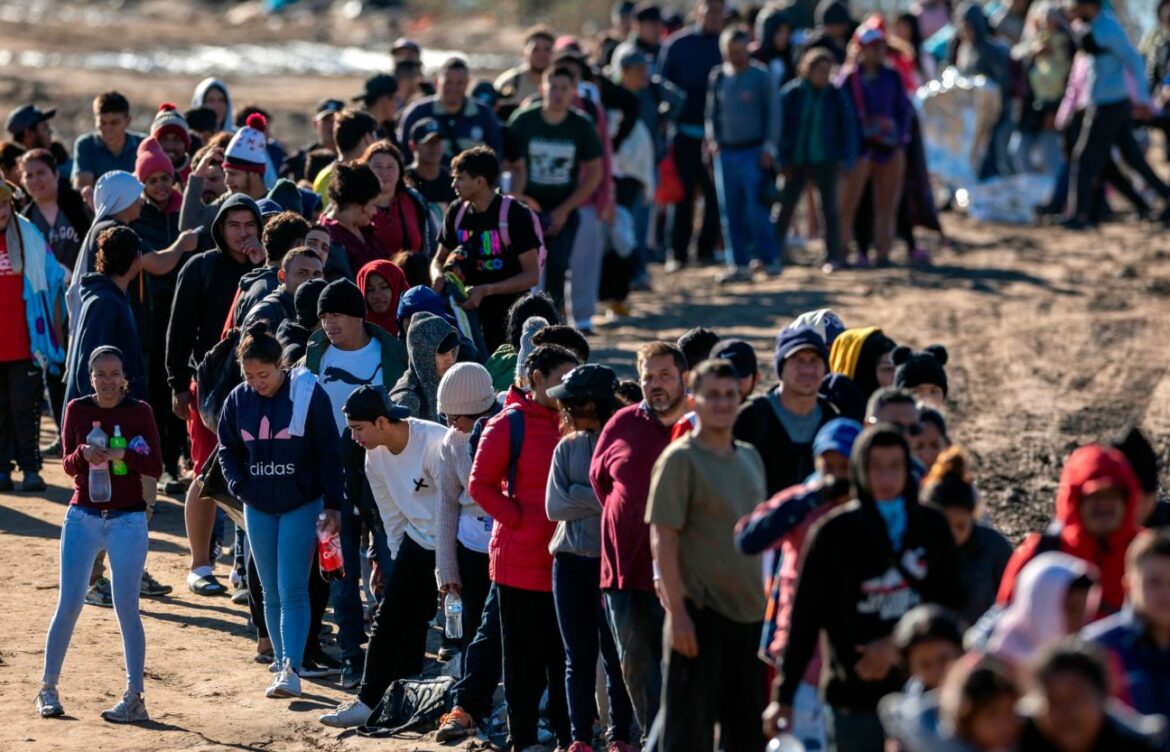
Illegal immigration has become one of the most debated economic and political issues in the United States, with growing concerns over its impact on jobs, public spending, and economic stability. According to recent commentary attributed to senior U.S. Treasury officials, unchecked illegal immigration is placing increasing pressure on the American economy—especially at the local and state levels.
While immigration has historically contributed to U.S. growth, officials argue that illegal immigration, when left unmanaged, creates financial strain that outweighs its short-term benefits.
Rising Fiscal Costs for States and Cities
One of the key economic concerns highlighted is the cost burden placed on taxpayers. State and local governments are spending billions of dollars on housing, healthcare, education, and law enforcement linked to illegal immigration.

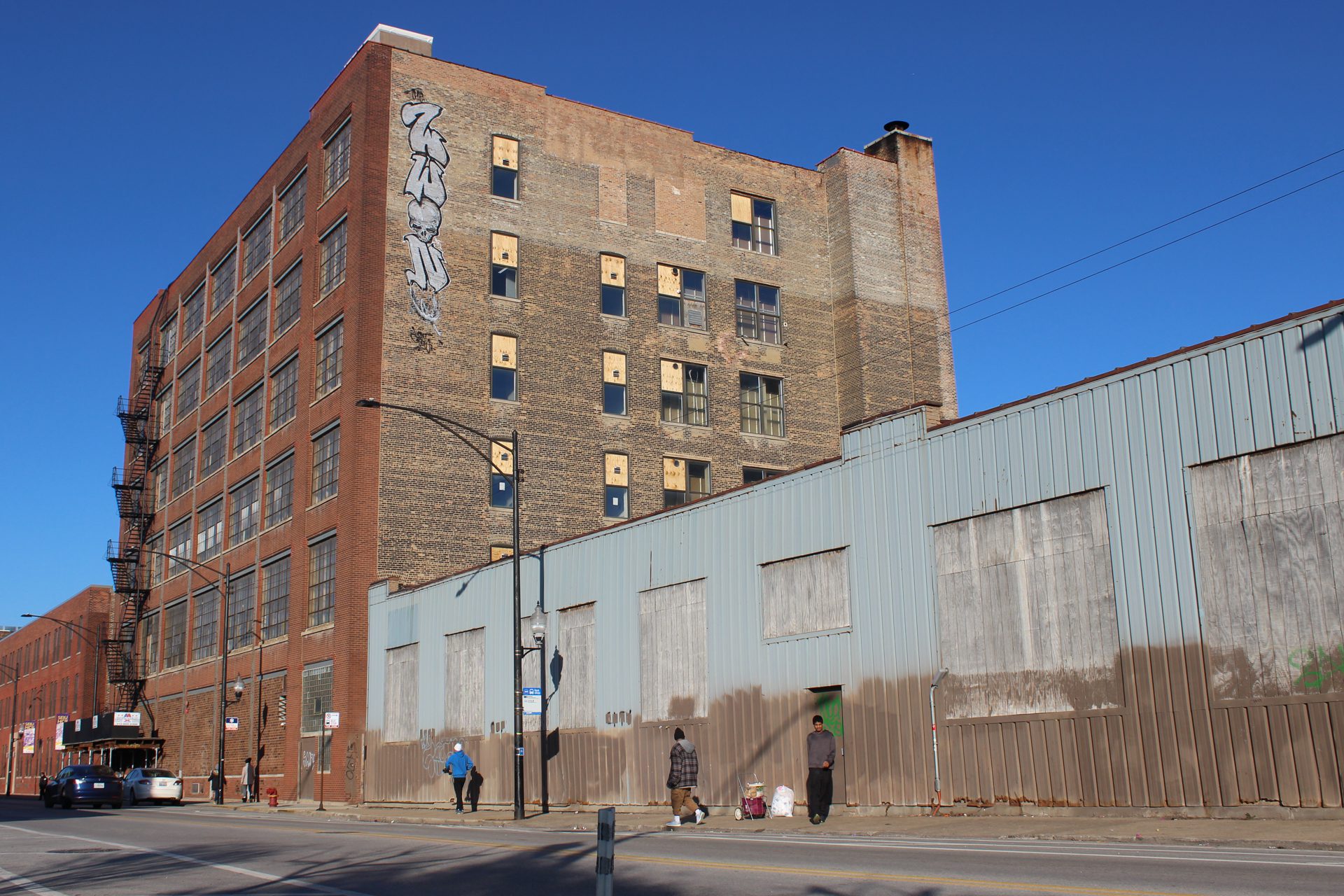
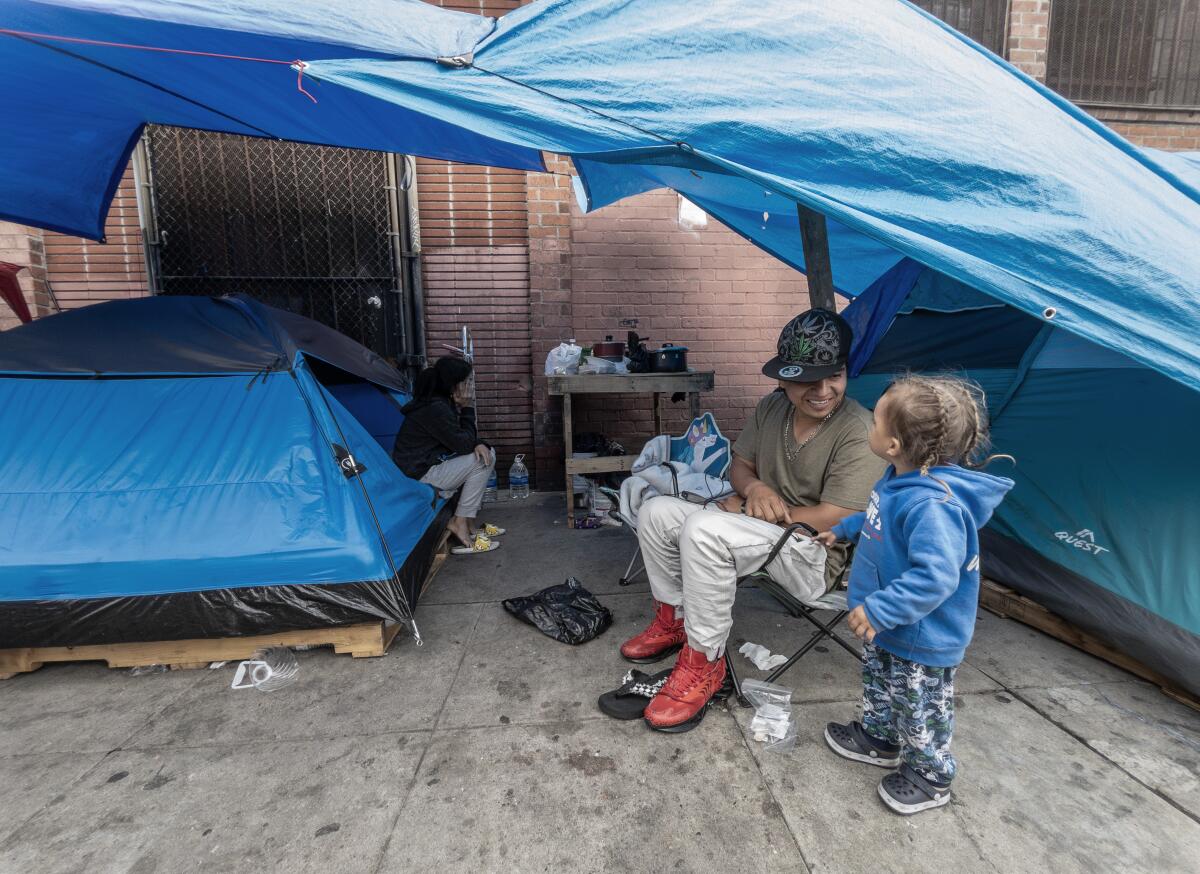
Major cities have reported budget shortfalls as emergency funding is redirected to manage migrant housing and social services. Critics argue that these resources could otherwise support infrastructure, public safety, or tax relief for American citizens.
Labor Market Pressures and Wage Impact
Treasury commentary also points to labor market distortion, particularly in low-skill and entry-level sectors. An oversupply of undocumented labor can suppress wages and increase competition for jobs, disproportionately affecting American workers with fewer qualifications.
Small businesses may benefit from cheaper labor in the short term, but economists warn that this practice contributes to long-term wage stagnation and reduced economic mobility for lawful workers.
Strain on Housing and Social Services
The housing market is another area experiencing pressure. Increased demand for affordable housing—especially in border states and major metropolitan areas—has driven up rents and intensified housing shortages.

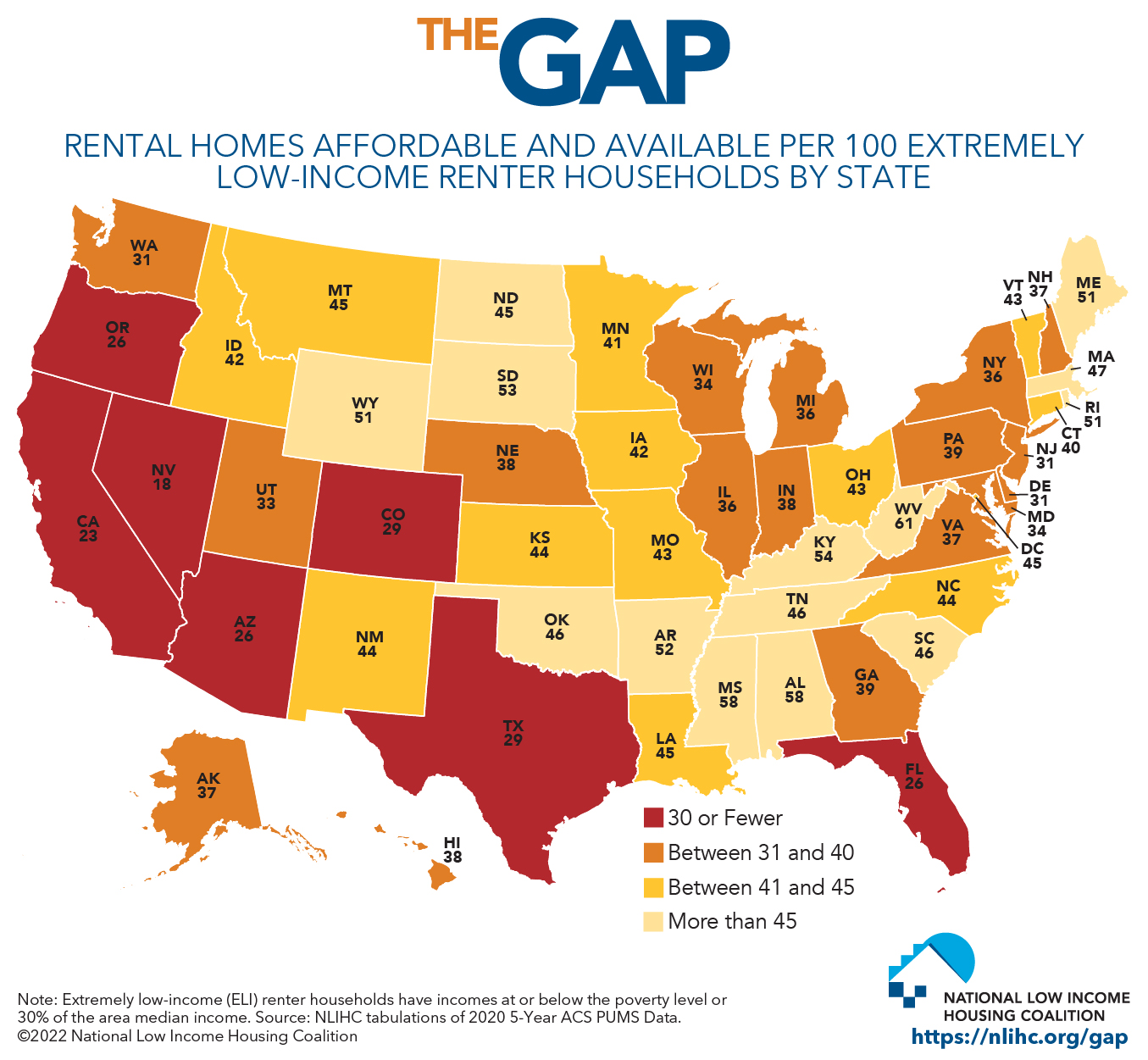
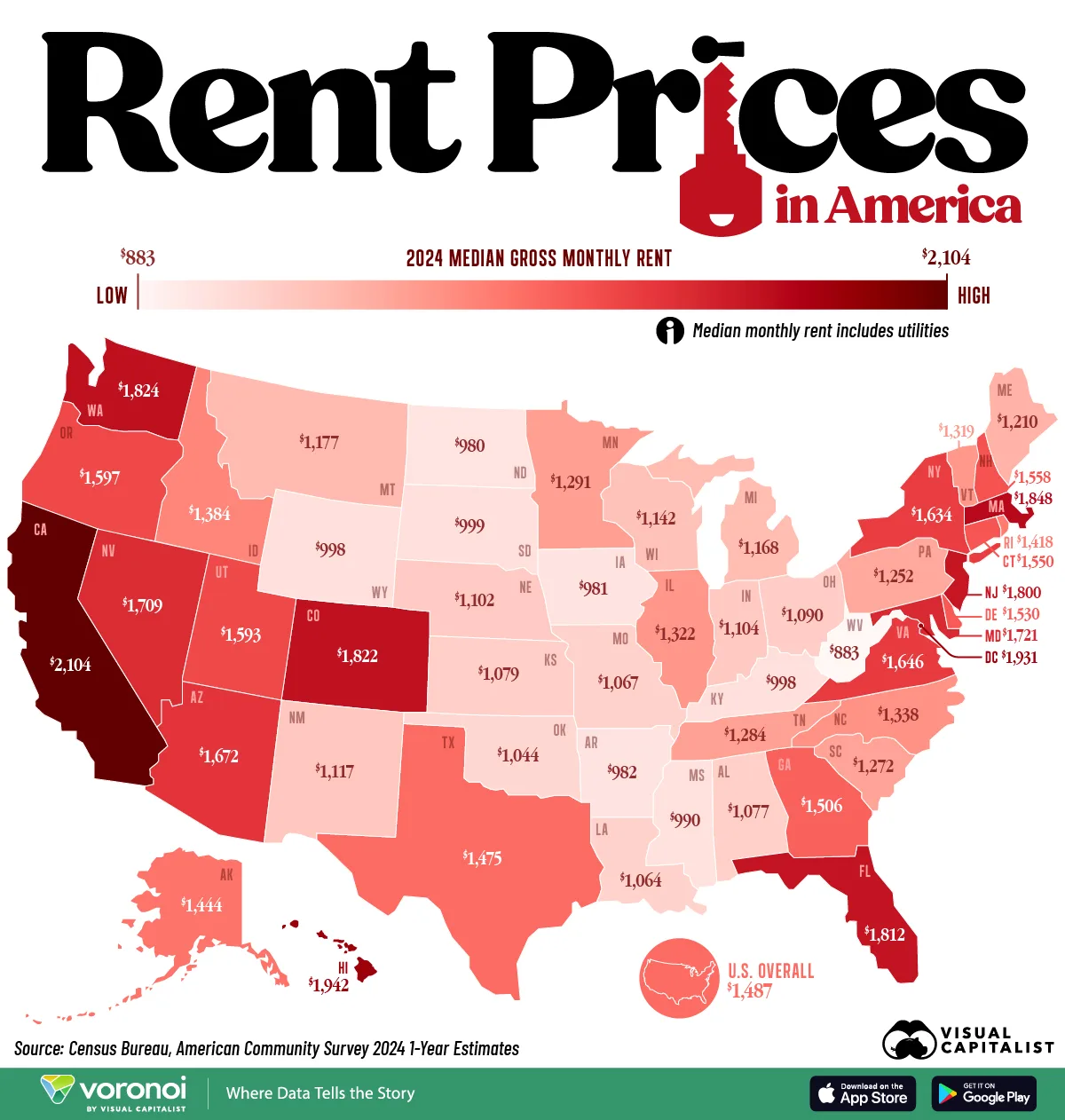
Social services such as public schools and emergency healthcare systems are also facing overcrowding and funding challenges, raising concerns about sustainability if current immigration trends continue.
Border Security and Economic Stability
Treasury officials emphasize that border security is not just a national security issue but an economic necessity. Uncontrolled border crossings complicate workforce planning, tax collection, and public expenditure forecasting.
Supporters of stronger enforcement argue that a regulated immigration system allows the U.S. to attract skilled workers while ensuring that economic growth remains balanced and lawful.
Political and Economic Implications
The economic impact of illegal immigration has become a central issue in national politics. Voter frustration over rising costs, combined with concerns about border control, has intensified calls for policy reform.
Many voters believe that without stricter enforcement and clearer immigration pathways, the economic consequences will continue to worsen—affecting wages, housing affordability, and public services nationwide.
Conclusion: Calls for Reform Grow Louder
While immigration remains vital to the U.S. economy, Treasury-linked commentary suggests that illegal immigration is undermining economic stability when enforcement fails. Policymakers face mounting pressure to secure the border, reform immigration laws, and protect American workers and taxpayers.
The debate is no longer just about compassion or security—it is increasingly about economic survival and sustainability.