

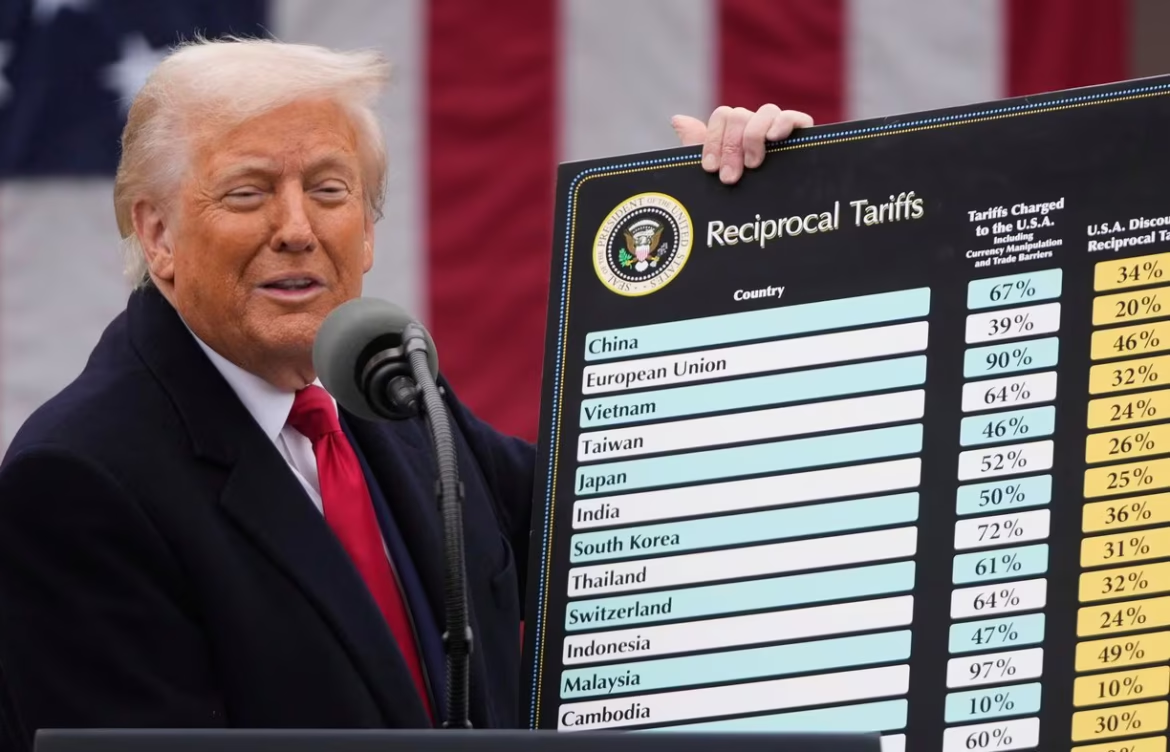
Tariffs in the Second Trump Administration and Their Impact on the US Economy
The return of Donald Trump to the White House has renewed concerns across Europe about trade tariffs and their impact on the global economy, with the United Kingdom facing particular risks and opportunities under a second Trump administration.
Trump has once again signalled his preference for aggressive trade policies, including higher tariffs designed to protect American industries. While these measures aim to boost US manufacturing, they could create significant challenges for UK exporters and businesses.
Trump’s Tariff Strategy Returns
During his first presidency, Trump imposed tariffs on steel, aluminium, and other imports, disrupting global supply chains. In his second term, he has suggested expanding tariffs further, targeting key industries such as automobiles, manufacturing, and energy.
These policies are part of Trump’s “America First” approach, prioritising domestic production and renegotiating trade terms with allies and competitors alike.
Risks for UK Exports
The UK exports billions of pounds worth of goods to the United States each year, including cars, machinery, pharmaceuticals, and metals. Any increase in tariffs could make British products more expensive in the US market, reducing competitiveness and demand.
Industries already facing post-Brexit trade friction fear that additional US tariffs could place further strain on exports and investment.
Impact on British Manufacturing and Jobs
Higher tariffs may affect key UK manufacturing regions, particularly those reliant on steel and automotive production. Analysts warn that prolonged trade barriers could lead to job losses, delayed investment, and higher production costs.
However, some businesses hope that strong diplomatic ties between London and Washington could secure exemptions or preferential treatment.
Inflation and Consumer Costs
Tariffs can also contribute to higher prices. If UK companies face increased costs exporting to the US, those costs may be passed on to consumers, affecting prices at home and abroad.
Economists caution that global trade tensions could fuel inflation and slow economic growth, particularly if other countries respond with retaliatory measures.
Opportunities Through Bilateral Deals
Despite the risks, some UK officials see potential opportunities. A more transactional US trade policy could allow Britain to negotiate sector-specific deals, reducing tariffs in exchange for market access or regulatory alignment.
Supporters argue that the UK’s independent trade policy post-Brexit may offer flexibility not available to EU member states.
Political and Diplomatic Challenges
Trump’s tariff plans place the UK in a delicate position — balancing its close relationship with the US while protecting domestic industries. Any perceived concession could face political backlash at home.
As global trade tensions rise, diplomacy will play a crucial role in limiting economic damage.
Conclusion
Tariffs under a second Trump administration pose both risks and strategic challenges for the UK economy. While higher trade barriers could hurt exporters and manufacturers, careful negotiation and diplomacy may help Britain soften the impact. How the UK responds will shape its economic resilience in an increasingly protectionist global environment.